Sea Shells Embroidery: A Designer’s Review
As an embroidery designer who has spent countless weekends behind a booth at local craft fairs, I have learned that not every digital file translates into a bestseller. The gap between a pretty image on a screen and a tangible handmade product that stops a shopper in their tracks is often defined by stitch quality, visual clarity, and market appeal. Recently, I downloaded the Sea Shells Embroidery design to test its viability for my upcoming summer market season. Here is my honest assessment of how this machine embroidery design performs in the real world.
First Impressions and Aesthetic Appeal
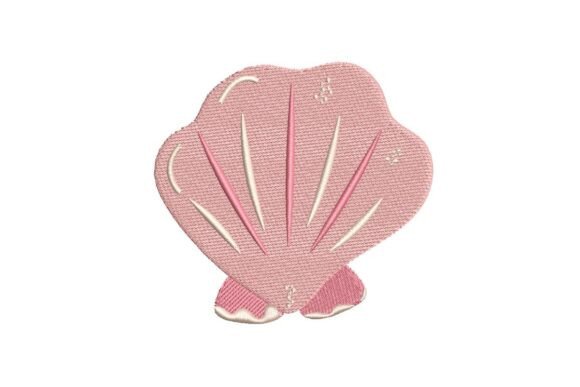
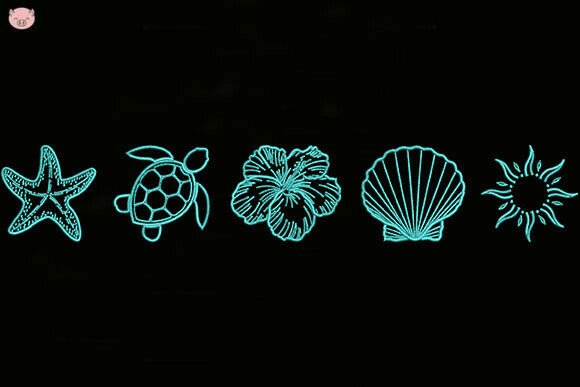
The moment I loaded the Sea Shells Embroidery file into my software, the first thing that struck me was its versatility. While categorized under Fish, the design captures the organic, calming essence of coastal life without feeling overly nautical or kitschy. It strikes a balance between elegant and rustic, making it suitable for a wide range of customers. For a craft fair seller, this is crucial. You want a design that appeals to the minimalist buyer looking for a subtle accent as much as the beach-lover seeking a bold statement piece.
The lines appear clean, suggesting that the digitizer paid attention to flow. In person, this translates to a premium look. When customers browse a crowded table, they are drawn to items that look professional. A messy or overly dense design can look cheap, but Sea Shells Embroidery seems to prioritize clarity. This aesthetic flexibility allows it to work across various design assets, from modern home décor to traditional clothing accessories.
Product Viability for Craft Fair Booths
To truly evaluate a digital embroidery file, you must imagine it on actual goods. I tested this design on several staple items that consistently sell at handmade markets.
- Tote Bag Design: Placing the shells on a canvas tote creates an instant bestseller. Summer shoppers love reusable bags with artistic flair. The design scales well here, allowing it to be a focal point without overwhelming the fabric.
- Apron Embroidery: For kitchenware, this design adds a touch of whimsy. It works beautifully on the bib of a linen apron, appealing to home cooks who appreciate handmade details.
- Tea Towel Embroidery: This is where caution is needed. Tea towels have a loose weave. If the stitch density is too high, the towel will pucker. However, if the design uses open stitches, it looks delicate and expensive. I recommend using a cut-away stabilizer to maintain shape.
- Embroidered Patch: Creating iron-on patches is a low-risk, high-reward strategy for small shop products. The shell motif stands out clearly against a twill background, making it perfect for denim jackets or backpacks.
Beyond these, I found that Sea Shells Embroidery also shines on caps and small pouches. For curved cap surfaces, the design must be small enough to avoid distortion. The organic shapes of the shells help mask minor alignment issues that can occur on curved seams, making it a forgiving choice for beginners.
Production Practicality and Batch Selling
For an Etsy seller or boutique maker, time is money. A design that takes hours to stitch is not sustainable for batch production. One of the strengths of this embroidery file is its apparent efficiency. It does not seem to rely on excessive underlay or redundant satin stitches. This suggests a reasonable stitch count, which means faster turnaround times for your finished product.
Photography is another critical factor. In online listings, texture sells. The raised nature of embroidery catches light differently than printed ink. When I created a printable mockup for my portfolio, the shadows cast by the shell stitches added depth that flat graphics lack. This visual appeal increases perceived value, allowing you to price your items higher than simple printed goods.
Careful-Use Notes and Technical Considerations
While the design is promising, there are technical aspects every embroiderer must consider before launching a full production run. Always check the specific details provided with the file, as the description notes it is caref—likely meaning carefully digitized—but you must verify the specifics yourself.
- Fabric Texture: On textured towels or thick denim, fine details may get lost. Ensure your needle size matches the fabric weight to prevent skipped stitches.
- Thread Colors: The design’s impact relies heavily on contrast. On dark fabric, use metallic or bright pastel threads to make the shells pop. On light fabric, earthy tones create a sophisticated, natural look.
- Stabilizer Choice: Never skip the stabilizer. For stretchy fabrics like t-shirts, use a tear-away backed with fusible web. For stable fabrics like canvas, a cut-away provides long-lasting durability.
- Hoop Size: Confirm the required hoop size before starting. If the design is large, ensure your machine can accommodate it without re-hooping, which can lead to misalignment.
Additionally, be wary of tiny details if you plan to scale the design down for small items like coin purses. Complex elements may merge or break if the resolution is pushed too far. Always stitch a test sample on scrap fabric identical to your final material. This step saves you from ruining expensive inventory.
Boosting Brand Consistency and Sales
Incorporating Sea Shells Embroidery into your lineup can strengthen your brand identity. If your shop focuses on nature-inspired or coastal themes, this design reinforces that narrative. Consistency builds trust. When customers see a cohesive collection of tote bags, pillows, and accessories featuring the same high-quality motif, they perceive your brand as professional and established.
Furthermore, this design serves as an excellent entry point for commercial embroidery. It is neutral enough to appeal to a broad demographic yet unique enough to stand out in a saturated market. Whether you are selling at a local fair or listing on a global platform, the universal appeal of sea shells ensures a wider potential customer base.
Final Verdict for Makers
After reviewing the Sea Shells Embroidery design from both a creative and business perspective, I find it to be a strong addition to any embroiderer’s library. It balances aesthetic charm with production practicality. However, success lies in execution. Do not assume the file is perfect for every application. Test it, tweak your tension, and choose your fabrics wisely.
Remember to review the license terms included with the download. While many files allow for commercial use of finished goods, some restrict the resale of the digital file itself. Clarify these rights to protect your business. By combining this high-quality design with your craftsmanship, you can create standout craft fair products that not only look beautiful but also drive sales. Bring your creative projects to life with confidence, knowing that a well-chosen design is the foundation of a successful handmade business.