Iron Flame College Embroidery Files: A Designer’s Review
As a designer who has spent countless hours digitizing and testing machine embroidery designs, I approach every new file with a mix of curiosity and caution. The market is flooded with generic patterns, but finding a design that balances aesthetic charm with technical reliability is rare. Recently, I downloaded the Iron Flame College Embroidery Files to evaluate its potential for real-world application. This isn’t just about whether the file opens correctly; it is about how it performs on fabric, how it translates to a finished product, and whether it holds up under the scrutiny of a paying customer.
First Impressions and Visual Personality
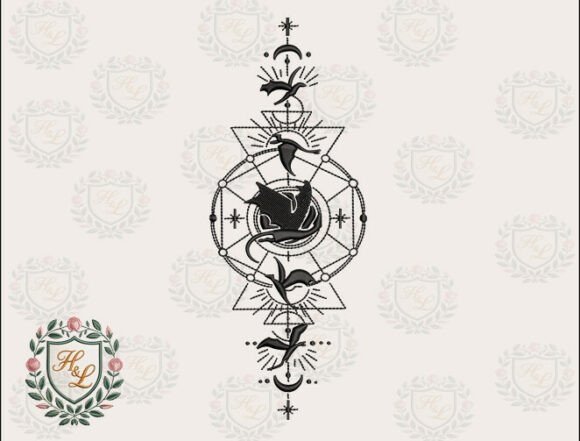
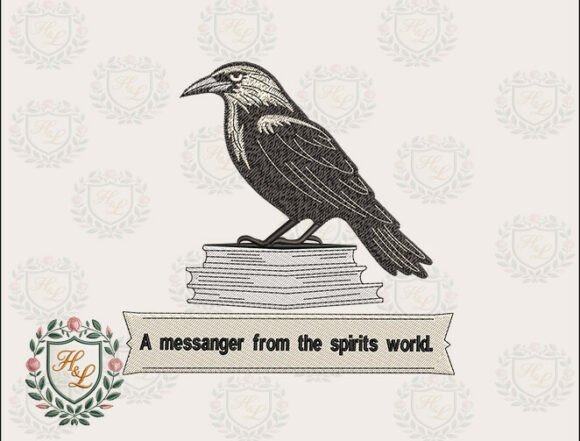
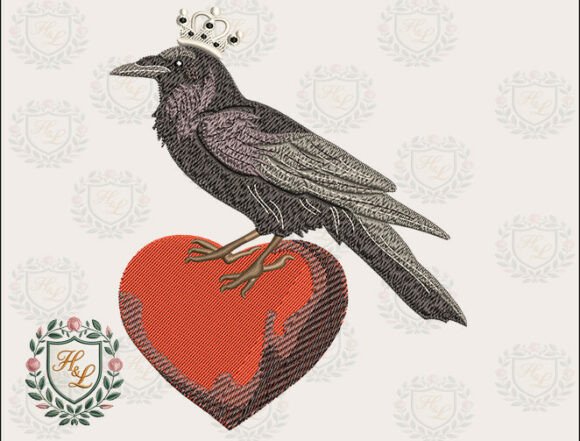
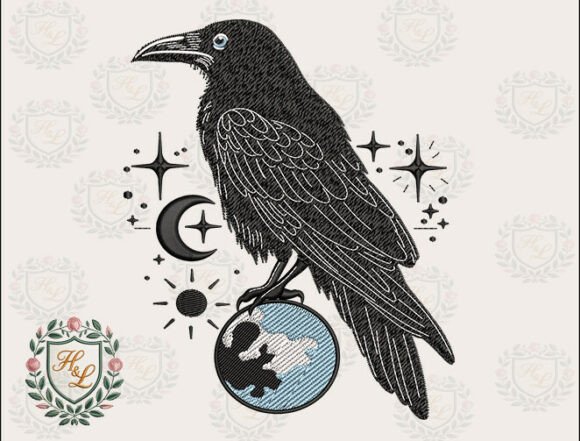
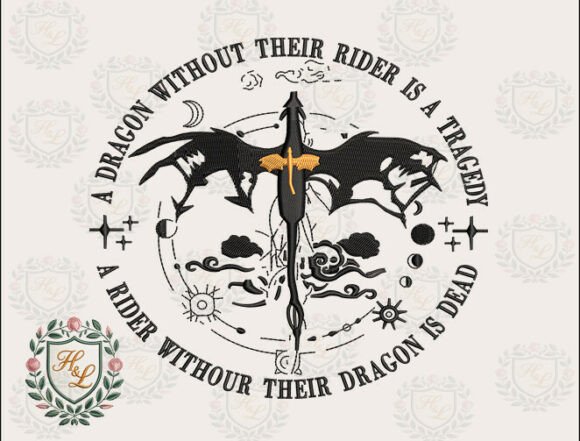
The moment I loaded the preview, the mood of the design became clear. It carries a whimsical yet academic vibe, fitting snugly into the Fairy Tales category while maintaining a structured, collegiate feel. The layout suggests a blend of traditional heraldry with playful, storybook elements. For an embroidery project, this duality is crucial. It allows the design to appeal to both children and adults, making it versatile for various markets.
The visual personality of the Iron Flame College Embroidery Files relies heavily on clean lines and balanced negative space. In my experience, overly complex designs often turn into a mess of thread nests on smaller items. This design, however, appears to prioritize clarity. The shapes are distinct, suggesting that the digitizer paid attention to how the eye travels across the motif. It feels like a badge of honor from a magical school, which immediately sparks imagination. For crafters and Etsy sellers, this narrative hook is invaluable. It transforms a simple embroidered patch into a piece of storytelling.
Real-World Application: From Tote Bags to Sweatshirts
To truly test the viability of any digital embroidery file, you must imagine it on actual products. I envisioned using this design on a heavy canvas tote bag. The bold outlines would stand out beautifully against the textured fabric, providing a sturdy, high-quality look. For a tote bag design, durability is key, and the apparent stitch structure suggests it would hold up well to daily use.
I also considered sweatshirt embroidery. Placing this motif on the left chest of a fleece-lined hoodie creates a boutique-style garment. The warmth of the fabric complements the cozy, magical theme. However, when working with thicker materials like fleece, one must be mindful of push and pull factors. The design seems compact enough to minimize distortion, but I would still recommend hooping the fabric tightly with a strong cut-away stabilizer to ensure crisp edges.
For baby embroidery projects, such as a onesie or a nursery pillow cover, the scale becomes critical. If the file includes multiple sizes, the smallest version must retain its integrity. Tiny details can get lost in the nap of minky or terry cloth. I would advise testing the smallest size on a scrap piece of similar fabric to ensure the running stitch outlines remain visible and the fill areas do not become too dense, which could irritate sensitive skin.
Technical Considerations and Stitching Clarity
From a technical standpoint, the performance of Iron Flame College Embroidery Files depends on how well the stitch types are balanced. A good applique design should use satin stitches for borders to create a smooth, raised edge, while fill stitches provide coverage without excessive bulk. Based on the preview, the design likely utilizes a combination of these techniques.
Stitch density is a major factor here. If the density is too high, the fabric may pucker, especially on lighter materials like cotton tees. If it is too low, the backing might show through. I recommend running a test stitch-out on a medium-weight cotton with a tear-away stabilizer first. This allows you to inspect the tension and adjust your machine settings if necessary. Pay close attention to the corners and sharp points in the design. These are common failure points where threads can break or loops can form if the digitizing is not precise.
Thread color choice will dramatically alter the final look. While the default color map provides a starting point, do not feel bound by it. For a more subtle, elegant look, try monochromatic threads—such as varying shades of grey or navy. For a vibrant, playful effect suitable for holiday embroidery or children’s items, high-contrast colors work best. Always check your thread chart against the design to ensure the transitions between colors are logical and visually appealing.
Where to Use Caution
While this design is versatile, it is not suitable for every surface. Curved surfaces like caps require careful handling. The rigid structure of the design might not conform well to the curved front panel of a baseball cap unless properly stabilized with a stiff buckram. Additionally, avoid using this on very stretchy fabrics like spandex without a substantial stabilizer, as the design could warp after washing.
Dark fabrics present another challenge. If the design includes light-colored fills, you may need to use an underlay stitch or a white base layer to prevent the fabric color from bleeding through. This adds time and thread usage, so factor that into your pricing if you are selling custom apparel.
Commercial Value and Brand Consistency
For small business owners and Etsy sellers, the commercial viability of a design is paramount. The Iron Flame College Embroidery Files offer a unique aesthetic that can help differentiate your shop from competitors selling generic monograms. Using this design in a cohesive collection—perhaps paired with other magical or academic-themed items—can strengthen your brand identity.
When creating printable mockups for your online listings, ensure the digital representation matches the stitched reality. Customers trust transparency. Show close-up photos of the actual stitching to highlight the quality of the finished product. This builds confidence and reduces return rates. Remember, a high-quality machine embroidery design is only as good as its execution. Take pride in your craftsmanship, and let the design shine.
Final Practical Notes
Before launching into full production, always verify the license terms associated with the digital embroidery file. Ensure you have the rights to sell finished items made with this design. Check the included hoop sizes to confirm compatibility with your machine. Test on scrap fabric, adjust your tension, and choose your stabilizer wisely. With proper preparation, the Iron Flame College Embroidery Files can become a staple in your creative arsenal, delivering joy to customers and value to your business.