Reviewing the Thanksgiving Feast Embroidery Design
As an embroidery designer who has spent years digitizing patterns and consulting for small clothing brands, I approach every new machine embroidery design with a critical eye. It is not just about whether the motif looks cute on a screen; it is about how it translates to fabric, how it withstands wear, and how it elevates a brand’s identity. Recently, I had the opportunity to evaluate the Thanksgiving Feast Embroidery Design for a limited-edition sweatshirt drop for a boutique client. This review breaks down the aesthetic appeal, technical considerations, and commercial viability of this playful pattern.
First Impressions and Aesthetic Mood
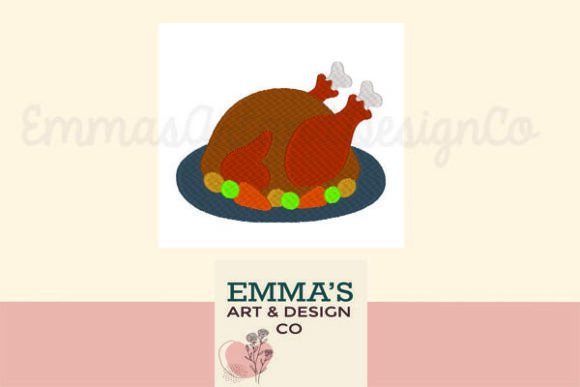
The moment I loaded the digital embroidery file, the whimsical nature of the design stood out. The description promises to bring charm to fabrics, and visually, it delivers a lighthearted, festive vibe that feels less like traditional rustic Thanksgiving decor and more like modern, playful apparel art. For a boutique brand targeting younger demographics or families looking for cozy seasonal apparel, this aesthetic hits the right note. It is not overly ornate or stiff; instead, it feels approachable and fun.
When envisioning this on a premium sweatshirt, the design strikes a balance between decorative and casual. It does not scream "holiday costume" but rather suggests a cozy, celebratory mood. This distinction is crucial for custom apparel that customers want to wear beyond a single day. The layout appears balanced, avoiding the clutter that often plagues holiday-themed motifs, which makes it suitable for various placements beyond just the center chest.
Styling for Sweatshirts and Hoodies
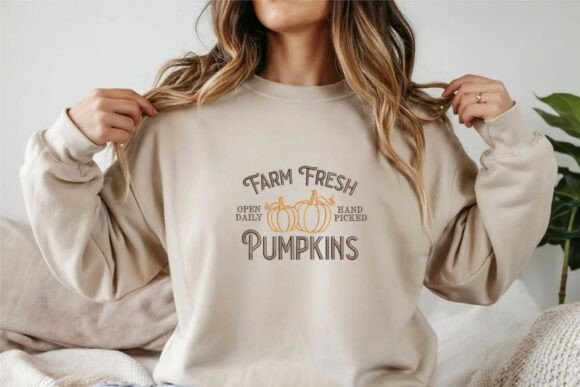
For the specific project at hand—a limited drop of neutral-toned sweatshirts—the Thanksgiving Feast Embroidery Design proved versatile. On oatmeal, sage, and charcoal heather fabrics, the design popped without feeling aggressive. The playful elements complemented the soft fabric texture of high-quality cotton blends. However, when considering dark fabrics like navy or black, I noted that thread color contrast becomes paramount. A standard multicolor palette might get lost, so adjusting the thread colors to include brighter highlights or metallic accents could enhance visibility and perceived value.
We also tested the design on oversized hoodies. Here, scale matters. If the design is too small, it can look insignificant on a bulky garment. Conversely, if it is too large, it may lose detail integrity. For sleeve accents, the design’s compact nature works well, offering a subtle nod to the season without overwhelming the silhouette. For back designs, one might consider scaling it up significantly or pairing it with text, though the original file’s readability at larger sizes would need verification.
Technical Considerations for Production
From a technical standpoint, any Etsy seller or small shop owner must scrutinize the stitch data before hitting "start." While the visual preview is charming, the execution depends on several factors. First, stitch density is critical for sweatshirt embroidery. Too dense, and the fabric will pucker or become stiff; too sparse, and the underlying fabric may show through, ruining the finished look. Given the playful nature of the design, it likely relies on satin stitches and fill areas that require careful balancing.
Stabilizer choice is another non-negotiable element. For thick fleece or terry cloth, a cut-away stabilizer is usually recommended to provide long-term support, especially if the design is placed on the chest where movement occurs. Hoop placement must be precise to ensure the design sits symmetrically. I always recommend running a test stitch-out on the exact fabric weight intended for production. This step reveals any potential issues with thread breaks or registration errors that a digital preview cannot show.
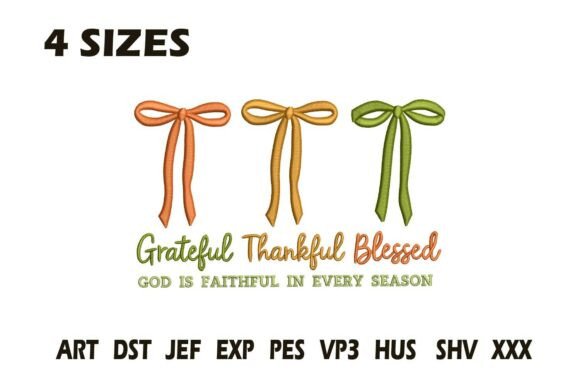
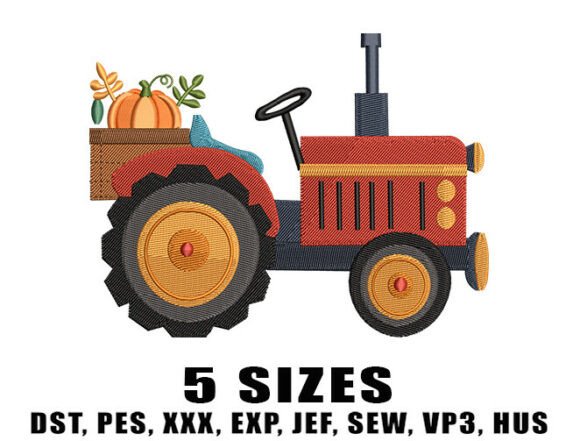
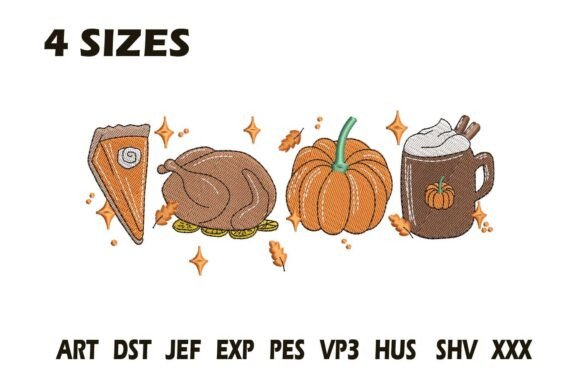
It is important to note that the product description mentions suitability for t-shirts, towels, and home decor. This versatility suggests the design is robust, but readers should check the specific hoop size requirements and file formats included in the download. Ensuring you have the correct format for your machine—whether PES, DST, or JEF—is essential for seamless integration into your workflow.
Commercial Viability and Brand Impact
Why does this matter for a boutique brand? Because details build trust. A well-executed embroidery piece signals quality. When a customer receives a sweatshirt with clean stitching, no loose threads, and a design that remains vibrant after washing, their perception of the brand elevates. The Thanksgiving Feast Embroidery Design, when applied correctly, contributes to this perception of craftsmanship. It transforms a basic garment into a handmade product with character.
For online sellers, visual recognition is key. This design’s whimsical style stands out in a sea of generic leaf motifs. It offers a unique selling point for small shop product lines. In lifestyle product photography, the texture of the embroidery adds depth to images, making them more engaging on social media and Etsy listings. A clear, high-resolution printable mockup or photo of the finished product can significantly boost conversion rates by showing buyers exactly what to expect.
Durability and Care
Commercial embroidery must withstand real life. Customers will wash these sweatshirts. Therefore, the durability of the thread and the stability of the stitches are vital. High-quality polyester or rayon threads are recommended for their sheen and colorfastness. The design should be tested for washing durability to ensure that the playful details do not unravel or fray after multiple cycles. If the design holds up, it becomes a staple item that customers reach for year after year, reinforcing brand loyalty.
Final Verdict for Designers
The Thanksgiving Feast Embroidery Design is a strong contender for seasonal collections. It bridges the gap between festive and fashionable, avoiding the clichés that often date holiday apparel. For designers and decorators, it offers a canvas to experiment with thread colors and placements. Whether used on a cozy hoodie, a decorative towel, or a custom tote, it brings a sense of joy and warmth.
However, success lies in the execution. Do not skip the test stitch. Pay attention to stabilizer selection. Consider your audience’s preference for subtlety versus boldness. By treating this design asset with professional care, you can create a finished product that not only sells but also delights. For those looking to add a touch of whimsy to their autumn inventory, this design is worth the investment, provided you adhere to best practices in machine embroidery production.
Remember to verify all technical specifications, such as exact stitch count and included hoop sizes, directly from the source before beginning your production run. This due diligence ensures that your creative vision aligns perfectly with the technical capabilities of your equipment, resulting in a polished, professional collection that resonates with your customers.