Reviewing Jesus the Way Truth Life Embroidery for Craft Fairs
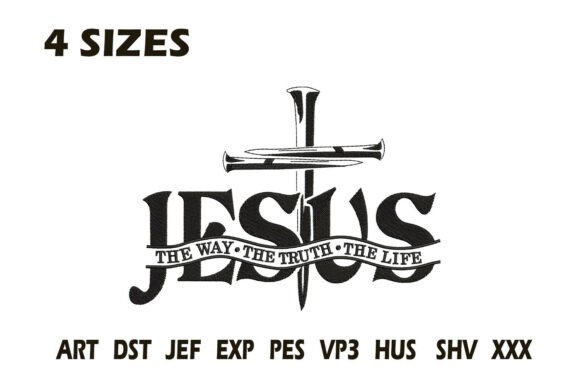
As an embroidery designer who has spent countless weekends behind a booth table, I know that the difference between a browser and a buyer often comes down to visual impact and perceived quality. When I first loaded the Jesus the Way Truth Life Embroidery file into my software, my immediate goal was to determine if this design had the commercial viability needed for a busy handmade market. The product description promises a playful touch for fabrics, positioning it as a versatile option for t-shirts, towels, and home decor. But does it hold up under the scrutiny of a craft fair customer? Let’s break down how this machine embroidery design performs in real-world applications.
First Impressions: Whimsical Faith Meets Modern Craft
The title suggests a religious theme, which places this firmly in the Religion category, but the description emphasizes charm and whimsy. This is a crucial distinction for sellers. Traditional religious Embroidery can sometimes feel stiff or overly formal, which limits its appeal in modern boutique settings. However, this design appears to bridge that gap. It feels approachable, soft, and decorative rather than dogmatic. For a craft fair seller, this means you are not just selling to a niche religious audience, but to anyone who appreciates positive, faith-inspired home goods. The aesthetic leans towards a modern farmhouse or gentle rustic vibe, which remains incredibly popular in the handmade community.
Product Applications and Market Fit
To maximize sales, you need to place the right design on the right product. Here is how I envision using this digital embroidery file across various items:
- Tote Bag Design: This is likely your strongest seller. A canvas tote with this message stitched centrally creates an instant statement piece. It works well as a craft fair product because it is practical, affordable, and highly visible when carried around the event.
- Apron Embroidery: Positioning the design on the bib of a kitchen apron adds a layer of warmth and personality. It transforms a utility item into a handmade product that feels like a gift.
- Tea Towel Embroidery: Kitchen linens are impulse buys. Ensure the stitch density is low enough so the towel remains absorbent and flexible. If the design is too dense, it will create a stiff patch that detracts from the fabric's function.
- Embroidered Patch: If the design scales down well, turning it into an iron-on or sew-on patch allows customers to customize their own jackets or bags. This appeals to the younger demographic at markets.
- Pillow Covers and Pouches: These make excellent high-margin items. The whimsical nature of the design fits perfectly on neutral linen pillow covers, adding a focal point without overwhelming the room’s decor.
Production Practicality for Small Shops
For an Etsy seller or small shop owner, batch production efficiency is key. This design needs to be evaluated for its repeatability. Is it quick to hoop? Does it require excessive trimming? From a production standpoint, look at the stitch density. A design described as "playful" should ideally have open areas that allow the fabric texture to show through, reducing thread usage and production time.
Photography is another critical factor. This design must photograph well for your online listings. High-contrast thread colors against neutral fabrics will make the text pop in thumbnail images. Create at least one printable mockup or digital composite to test how the design looks in a lifestyle setting before you commit to stitching dozens of units. As a small shop product, your visual assets are your primary sales tool.
Careful-Use Notes and Technical Considerations
Before you launch this as a commercial embroidery product, there are technical hurdles to clear. Not all fabrics behave the same way. Here are specific concerns to address:
- Fabric Texture: Textured towels can cause small details to get lost. If the lettering in "Way," "Truth," or "Life" is thin, it may merge with the towel loops. Test on a standard waffle weave first.
- Curved Surfaces: Stitching on caps requires careful hooping. If the design is wide, it may distort on the curved front panel of a baseball cap. Check the width against your standard cap hoop size.
- Dark Fabric: If you plan to offer this on navy or black items, ensure you have high-visibility thread options. White or gold threads usually work best for readability.
- Small Lettering: Always inspect the smallest letters at 100% zoom in your software. If they are below 4mm in height, they may not stitch out cleanly on all machines.
Enhancing Visual Appeal and Brand Consistency
Using Jesus the Way Truth Life Embroidery consistently across your booth display can strengthen your brand identity. Imagine a table where every item, from the sample tote to the display banner, features this cohesive motif. It signals to buyers that you are a specialized creator, not just a generalist. This consistency builds trust and increases buyer engagement. Customers are more likely to stop at a booth that looks curated and professional.
The design’s ability to convey a message quickly is vital. At a busy craft fair, you have seconds to catch someone’s eye. A clear, legible, and charming design does the talking for you. It invites questions, which leads to conversations, which leads to sales.
Designer’s Checklist Before Production
As a professional reviewer, I cannot stress enough the importance of testing. Do not assume the design assets are perfect straight out of the download folder. Follow these steps:
- Test on Scrap Fabric: Always run a test stitch on the exact material you intend to sell. This reveals any pulling or puckering issues.
- Check Thread Contrast: Ensure your chosen thread colors stand out against the fabric background. Low contrast can make the design look muddy from a distance.
- Review Spacing: Check the spacing between letters and elements. Tight spacing can cause thread breaks or bird nests.
- Confirm Hoop Size: Verify that the design fits within your most commonly used hoops to avoid constant re-hooping during production runs.
- Inspect Stitch Density: Use your machine’s editing software to analyze density. Too many stitches in a small area can damage delicate fabrics like lightweight cotton tees.
- Use the Right Stabilizer: Match your stabilizer to the fabric weight. A cut-away stabilizer might be needed for stretchy knits, while tear-away works for woven towels.
- Verify Licensing: Before selling the finished product, confirm the commercial license terms included with the file. Ensure you are allowed to sell physical items made with this design.
In conclusion, Jesus the Way Truth Life Embroidery offers a promising blend of faith and fun that fits well within the current handmade market trends. By paying attention to technical details and strategic product placement, you can turn this embroidery file into a staple of your craft fair inventory. Remember, the goal is not just to stitch a design, but to create a finished product that resonates emotionally with your customers. With careful execution, this design can become a reliable revenue generator for your creative business.