Review: Silly Gooses Embroidery Design for Makers
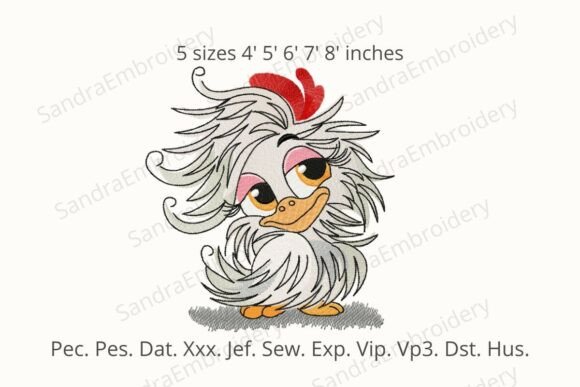
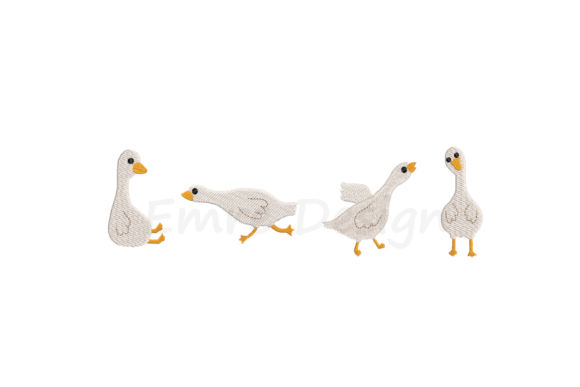
As a designer who spends more time staring at stitch maps than actual fabric, I have learned that the difference between a charming handmade item and a cluttered mess often comes down to the personality of the design itself. When I first loaded the Silly Gooses Embroidery Design into my digitizing software to inspect the pathing and density, I was immediately struck by its playful energy. This is not a stiff, formal motif. It is whimsical, loose, and undeniably fun. For those of us in the craft business, finding a design that balances professional stitch quality with genuine character is rare. This piece, categorized under Birds, offers a refreshing departure from the overly realistic or rigid avian designs we often see in standard libraries.
First Impressions and Visual Personality
The immediate mood this embroidery file creates is one of lightheartedness. The shapes are rounded and approachable, avoiding sharp, aggressive angles that can sometimes look harsh when stitched out on soft textiles. The layout feels balanced, suggesting that the digitizer considered how the eye travels across the subject. For an embroidery project intended to bring a smile, this design succeeds before the needle even hits the fabric. It feels like it belongs on items meant for comfort and joy rather than formal wear or corporate branding.
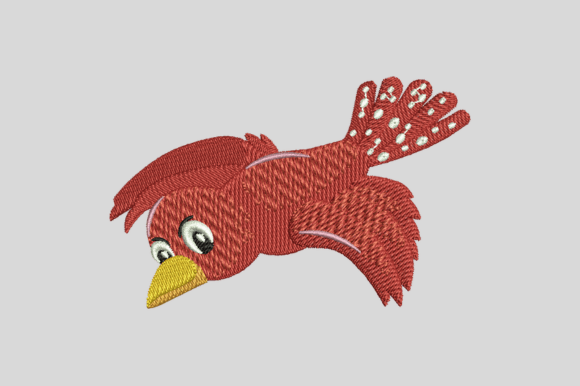
When evaluating the detail level, I noticed a smart use of varying stitch types. There appears to be a mix of satin stitch for outlines or key features and fill stitch for the body, which helps create texture without excessive bulk. This is crucial for maintaining the integrity of the fabric, especially if you are working with thinner materials like cotton voile or lightweight jersey.
Real-World Application: The Tote Bag Test
To truly understand how Silly Gooses Embroidery Design performs, I imagined a specific real-life scenario: preparing a custom embroidered tote bag for a local farmer’s market vendor. The client wanted something that felt artisanal but not too serious. I visualized placing the geese slightly off-center on a natural canvas tote. The whimsical nature of the birds would contrast beautifully with the rustic texture of the canvas.
In this context, the design acts as a focal point without overwhelming the utility of the bag. Customers browsing an Etsy shop or a craft fair table are drawn to items that tell a story. A silly goose suggests humor and approachability. It transforms a generic tote bag design into a conversation starter. If you are an Etsy seller or small shop owner, this kind of emotional connection drives buyer engagement. It is not just a bag; it is a cheerful companion for grocery runs.
Versatility Across Product Lines
Beyond tote bags, this machine embroidery design shows promise across a wide range of products. For custom apparel, imagine it on the chest pocket of a denim jacket or as a large back print on a sweatshirt embroidery project. The scale seems adaptable, provided you respect the minimum size limits to prevent stitch merging. For baby embroidery, such as onesies or burp cloths, the soft curves are safe and appealing to parents looking for gentle, non-intimidating imagery.
Home decor is another strong category. Picture this on a kitchen towel or a pillow cover. The fun and whimsical touch brings personality to any item, as noted in the product description. However, placement matters. On a pillow cover, ensure the design is centered and scaled so it does not get lost in the seams. For holiday embroidery, these geese could easily be adapted with seasonal accessories like scarves or hats in your editing software, making them versatile assets for year-round sales.
Fabric and Hoop Considerations
While the design is charming, practical execution requires attention to detail. Here is where experience matters. If you are stitching on stretchy fabric like a t-shirt, you must use a high-quality cut-away stabilizer to prevent puckering. The stitch density of the fill areas needs to be supported properly. On textured fabrics like terry cloth towels, the smaller details might get lost. In such cases, consider using an applique design technique where the goose shape is cut from contrasting fabric and then stitched down, reducing stitch count and increasing visibility.
Be cautious with dark fabrics. If the thread colors do not have enough contrast against the background, the definition of the goose will vanish. Always test your thread color combinations on scrap fabric first. A bright yellow beak might pop on white but disappear on navy blue unless you adjust the shade. Also, check the hoop size required. If you are working with a small 4x4 hoop, ensure the design fits comfortably with room for stabilization margins. Do not try to force a large design into a small hoop by resizing it beyond recommended limits, as this distorts the stitch balance.
Commercial Viability and Brand Consistency
For digital product sellers and creative entrepreneurs, the value of Silly Gooses Embroidery Design lies in its versatility. It fits well within a brand identity that values humor, nature, and handmade charm. When creating printable mockups or digital embroidery file previews, this design stands out because it is recognizable even at thumbnail size. This clarity is essential for online sales where customers cannot touch the product.
However, professionalism is key. Before listing finished products or selling the digital embroidery file itself, you must confirm licensing terms. Not all designs allow for commercial use. Check whether the license permits you to sell physical items made with the design or if it restricts you to personal use only. This step protects your craft business from legal issues and builds trust with your customers. Transparency about your sources enhances your brand consistency and reliability.
Technical Checklist for Best Results
- Test on Scrap Fabric: Always run a test stitch-out to check for thread breaks or nesting.
- Check Thread Contrast: Ensure your thread colors stand out against the chosen fabric texture.
- Review Stitch Density: High density may require heavier stabilizer; low density may show fabric through.
- Confirm Hoop Size: Match the design dimensions to your machine’s maximum hoop capacity.
- Inspect Small Details: Zoom in on the digital file to ensure tiny elements like eyes or beaks are not too fine to stitch cleanly.
- Mockup Testing: View the design in black and white to assess shape clarity without color distraction.
- Licensing Verification: Read the terms carefully before using for commercial embroidery projects or resale.
In conclusion, Silly Gooses Embroidery Design is a solid addition to any designer’s library. It offers a blend of technical soundness and artistic charm that translates well into tangible, sellable products. Whether you are decorating a cap, creating a personalized gift, or stocking your small shop with unique home decor, this design provides the whimsical touch that modern consumers crave. Just remember to respect the material constraints and licensing rules, and you will find this little goose to be a profitable and joyful part of your creative toolkit.