Review: Retro 80s Pop Art Burger Embroidery Design
As an embroidery designer who has spent countless weekends behind a craft fair booth, I have learned that the difference between a browsing customer and a buying customer often comes down to visual impact. When I first loaded the Retro 80s Pop Art Burger Embroidery Design into my digitizing software, my immediate reaction was one of excitement. This is not your standard, rustic farmhouse kitchen motif. It is bold, it is loud, and it demands attention. For those of us running small shop products or managing an Etsy seller account, finding designs that stop the scroll or halt foot traffic is essential.
First Impressions and Visual Appeal
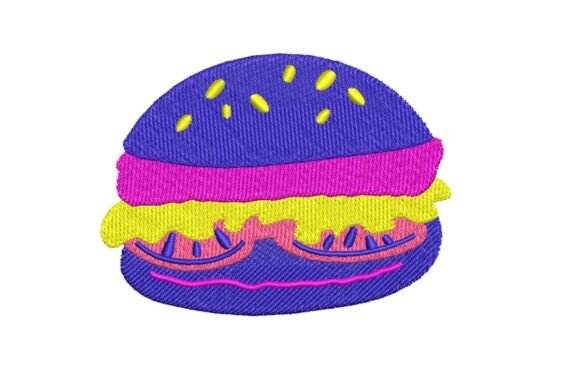
The description promises vibrant, unconventional colors, specifically noting blue buns on the top. This departure from realistic food tones places this piece firmly in the realm of pop art. It feels modern, funny, and slightly nostalgic without being dated. In a sea of beige and muted pastels often found in handmade markets, this design pops. It does not try to be elegant or minimal; instead, it leans into a decorative, high-energy aesthetic that appeals to younger demographics and anyone with a love for kitsch.
When evaluating a machine embroidery design for commercial use, I look for clarity. Does the subject read instantly? With this burger, the answer is yes. The stylized nature means that even from a distance, the shape is recognizable. This is crucial for a craft fair product where you have seconds to capture interest. The unconventional color palette suggests that this design will perform best when stitched with high-contrast thread colors. If you are using a digital embroidery file, ensure your thread chart matches the vibrancy intended by the original artwork.
Best Product Applications for Maximum Sales
Not every design works on every blank. Through trial and error, I have found that this specific style thrives on items that serve as canvases for bold statements. Here is how I would deploy this design in a real-world scenario:
- Tote Bag Design: A natural cotton tote provides the perfect flat surface for this graphic. The large stitch area allows the details to shine, making it a standout accessory for grocery runs or beach days.
- Apron Embroidery: Imagine a bright white or denim apron with this funky burger centered on the bib. It transforms a utilitarian item into a conversation starter for home cooks who love to entertain.
- Tea Towel Embroidery: While popular, tea towels require careful handling. The fabric texture of waffle weave or linen can distort small details. I recommend placing this design on the lower corner rather than the center to avoid bulkiness when folded.
- Embroidered Patch: This is perhaps the most versatile application. By stitching onto twill and cutting it out with a merrowed edge, you create a standalone product that customers can iron onto jackets, backpacks, or hats. It lowers the price point entry for buyers who might not want a full garment.
- Caps and Hats: Curved cap surfaces are tricky. Because this design features bold shapes, it can work on the front panel of a trucker hat, but you must check the hoop size compatibility. If the design is too wide, it may wrap around the curve and distort.
Production Practicalities and Technical Notes
Before committing to batch production for your next market, there are critical technical factors to consider. As a professional, I always advise testing the design on scrap fabric first. Do not skip this step. The stitch density of pop art styles can sometimes be higher than expected to achieve solid color blocks. If the density is too high for lightweight fabrics like standard tea towels, you risk puckering or needle breaks.
You must also consider the stabilizer. For a design with vibrant, saturated areas, a cut-away stabilizer is often safer than tear-away, especially if the finished product will be washed frequently. This ensures the embroidery remains stable and does not pull away from the fabric over time. Additionally, check the thread colors against your inventory. If the design calls for a specific electric blue for the bun, ensure you have that shade. Substituting with a navy or sky blue will change the entire mood of the piece.
Another concern is the small details. If the design includes tiny sesame seeds or intricate shading, these may get lost on textured fabrics. Smooth cotton or polyester blends work best. Avoid thick, looped towels for this specific design unless you are using a topping to keep the stitches from sinking into the pile.
Marketing and Brand Consistency
For an Etsy seller or boutique maker, consistency is key. This design fits well within a brand that values fun, retro, and eclectic aesthetics. It may clash with a brand focused on minimalist or traditional heirloom quality. However, if your target audience loves quirky home decor and unique fashion accessories, this is a goldmine.
Photography plays a massive role in online sales. Create at least one real mockup before listing. Photograph the embroidered item in natural light to show the sheen of the threads. Use props that match the 80s vibe, such as neon accents or vintage diner ware, to enhance the storytelling in your printable mockup or live photos. Highlight the fact that this is a handmade product with unique character, distinct from mass-produced prints.
Final Verdict for Craft Fair Sellers
The Retro 80s Pop Art Burger Embroidery Design is a strong contender for any vendor looking to inject personality into their booth. It is easy to understand at a glance, which reduces the cognitive load for busy shoppers. It works exceptionally well as a focal point on tote bags and patches, offering flexibility in pricing and product range.
Remember to verify the commercial licensing terms included with your digital embroidery file. Ensure you have the right to sell finished products made from this design. Check the recommended hoop size to ensure it fits your machine’s capabilities. If you are new to selling Food-themed embroidery, start with a small batch of patches or tea towels to gauge customer response before investing in larger blanks like aprons or pillow covers.
In conclusion, this design offers high visual appeal and strong potential for buyer engagement. It stands out because it dares to be different. By paying attention to fabric texture, stabilizer choice, and thread contrast, you can produce a high-quality finished product that reflects well on your brand. Whether you are a seasoned embroidery business owner or a creative entrepreneur just starting out, this design provides a fun, profitable avenue for expanding your craft fair inventory.