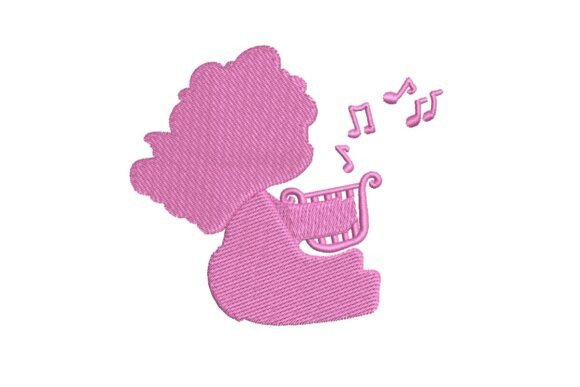
Review: Musical Cupid Playing Harp Embroidery Design
As an embroidery designer who spends countless hours digitizing and stitching, I have learned that not every machine embroidery design is created equal. Some files look promising in the preview but fail under the needle, while others become instant staples in my commercial workflow. Recently, I came across the Musical Cupid Playing Harp Embroidery Design on Creative Fabrica, and it caught my eye for its delicate silhouette and thematic charm. Before adding it to my library for upcoming client projects, I took a close look at its potential for real-world application.
This review is written from the perspective of a working professional evaluating this file for handmade products, Etsy listings, and boutique merchandise. If you are a small business owner or a creative entrepreneur looking to expand your Valentine S Day collection, understanding how this design performs on various textiles is crucial.
First Impressions and Visual Mood
The first thing that stands out about the Musical Cupid Playing Harp Embroidery Design is its artistic simplicity. The silhouette of a cupid or cherub playing a lyre creates a sweet, serene mood that feels both classic and timeless. Unlike overly complex designs that rely on heavy shading, this piece uses clean lines and negative space to convey movement and music. The floating notes add a whimsical touch without cluttering the composition.
For embroidery designers, this visual clarity is a significant advantage. It suggests that the stitch plan likely prioritizes clarity over density, which is essential for maintaining detail on smaller items. The decorative appeal lies in its ability to tell a story—serenading with beautiful music—through a minimalistic approach. This makes it versatile enough for nursery decor, romantic gifts, or even high-end apparel where subtlety is key.
Performance on Real Embroidery Projects
When considering a new embroidery file, I always ask: where does this belong? The Musical Cupid Playing Harp Embroidery Design naturally fits into several categories of commercial embroidery. Here is how I envision it performing across different products:
- Custom Apparel: The silhouette style works beautifully on sweatshirt embroidery, particularly on the left chest area. It adds a personalized touch without overwhelming the garment.
- Tote Bag Design: For canvas totes, this design offers a charming focal point. The open areas in the harp strings allow the fabric texture to show through, creating a nice contrast.
- Baby Items and Nursery Decor: Given the cherub theme, this is ideal for baby blankets, bibs, or pillow covers. The gentle aesthetic aligns perfectly with soft, pastel thread colors.
- Embroidered Patch: If you plan to create iron-on patches, ensure the edges are well-defined. A satin stitch border might be necessary to frame the design if the original file does not include one.
- Kitchen Towels and Aprons: These items benefit from designs that are not too dense, as they need to remain soft and absorbent. This design’s likely use of running stitch and lighter fill stitch areas makes it a strong candidate.
For Etsy sellers, this design can elevate your product photography. A well-stitched cupid on a muted linen background creates a highly shareable image that drives customer engagement. It also serves as an excellent base for a personalized gift, where you might add a name or date below the harp, provided the license allows for such modifications.
Practical Considerations for Stitching
While the design is visually appealing, practical execution requires attention to detail. As with any digital embroidery file, you must consider the technical aspects before hitting "start" on your machine.
Fabric and Stabilizer Choices
Because this design features a silhouette, the contrast between the thread and fabric is critical. On dark fabric, you will need high-contrast thread colors to ensure the cupid and harp are visible. Conversely, on light fabric, subtle tonal variations can create a sophisticated look. Always use the appropriate stabilizer. For stretchy fabrics like jersey knit used in t-shirts, a cut-away stabilizer is recommended to prevent distortion. For woven fabrics like tote bags or aprons, a tear-away stabilizer may suffice, but test first.
Hoop Size and Placement
Check the specific hoop size requirements listed on the Creative Fabrica product page. This design appears suitable for smaller hoops, such as 4x4 or 5x7 inches, making it perfect for caps and pockets. However, when embroidering on curved cap surfaces, ensure the design is centered correctly to avoid puckering. The tiny details of the harp strings require precise tension settings; if your machine tends to pull threads, reduce the speed slightly.
Stitch Density and Texture
Review the stitch density before stitching. Dense areas can cause fabric stiffness, which is undesirable for items like baby blankets or kitchen towels. If the design uses a heavy fill stitch, consider using a lighter weight thread or adjusting the density in your editing software if you have the skills. Look for a balance between satin stitch for outlines and running stitch for finer details like the musical notes.
Enhancing Product Value and Brand Consistency
Incorporating the Musical Cupid Playing Harp Embroidery Design into your lineup can significantly affect buyer trust and perceived value. High-quality design assets signal professionalism. When customers see clean, crisp stitching with no loose threads or skipped stitches, they associate that quality with your brand.
This design supports brand consistency if your shop focuses on romantic, whimsical, or classical themes. It allows you to create a cohesive collection of finished product items, from Valentine’s cards with embroidered accents to themed home decor. Moreover, using a recognizable and well-executed design helps in creating printable mockups for your online store, giving customers a clear expectation of the final item.
Final Recommendations for Crafters
Before you download and start stitching, here are my top tips for ensuring success with this file:
- Test on Scrap Fabric: Always stitch a sample on the same type of fabric you intend to use for the final product. This helps you identify any issues with thread breaks or registration.
- Check Thread Color Contrast: Plan your color palette in advance. Use a color chart to visualize how the cupid silhouette will pop against your chosen material.
- Inspect Small Details: After stitching, examine the harp strings and musical notes. Ensure they are distinct and not merged due to excessive pull or dense stitching.
- Verify Licensing: Crucially, confirm the license terms on the Creative Fabrica product page. Ensure that the file permits commercial use if you plan to sell the embroidered items. Do not assume; read the details.
- Review File Formats: Check that the download includes the format compatible with your embroidery machine. Common formats include PES, DST, and JEF, but availability varies by designer.
The Musical Cupid Playing Harp Embroidery Design offers a blend of artistic charm and practical versatility. For embroidery designers and small business owners, it represents a valuable addition to a seasonal or year-round catalog. By paying attention to fabric choice, stabilizer selection, and stitch quality, you can transform this digital file into a tangible, high-value handmade product that resonates with customers. Whether you are creating a unique gift or stocking your boutique, this design has the potential to serenade your buyers with its quiet elegance.